Wednesday, June 16, 2021

Preventing swine flu

"Pigs can be infected with their own influenza viruses (called swine influenza) that are usually different from human flu viruses. While rare, influenza can spread from pigs to people and from people to pigs. When people get swine flu viruses, it’s usually after contact with pigs. This has happened in different settings, including fairs. The Centers for Disease Control and Prevention (CDC) recommends people take the following actions to help prevent the spread of flu between pigs and people.

CDC Recommendations for People with High Risk Factors:

  • Anyone who is at high risk of serious flu complications planning to attend a setting where pigs will be present should avoid pigs and swine barns.
  • People who are at high risk of serious flu complications include children younger than 5 years, people 65 years and older, pregnant women, and people with certain long-term health conditions (like asthma and other lung disease, diabetes, heart disease, weakened immune systems, and neurological or neurodevelopmental conditions).

CDC Recommendations for People Not at High Risk:

  • Don’t take food or drink into pig areas; don’t eat, drink or put anything in your mouth in pig areas.
  • Don’t take toys, pacifiers, cups, baby bottles, strollers, or similar items into pig areas.
  • Avoid close contact with pigs that look or act ill.
  • Take protective measures if you must come in contact with pigs that are known or suspected to be sick. This includes minimizing contact with pigs and wearing personal protective equipment like protective clothing, gloves and masks that cover your mouth and nose when contact is required.
  • Wash your hands often with soap and running water before and after exposure to pigs. If soap and water are not available, use an alcohol-based hand rub.
  • To further reduce the risk of infection, minimize contact with pigs in the pig barn and arenas.
  • Watch your pig (if you have one) for illness. Call a veterinarian if you suspect illness.
  • Avoid contact with pigs if you have flu symptoms. Wait to have contact with pigs until 7 days after your illness started or until you have been without fever for 24 hours without the use of fever-reducing medications, whichever is longer. If you must have contact with pigs while you are sick, take the protective actions listed above.

People with high risk factors who develop flu symptoms should call a health care provider. Tell them about your high risk factor and any exposure to pigs or swine barns you’ve had recently. Human seasonal flu vaccine will not protect against commonly circulating swine influenza viruses, but prescription influenza antiviral drugs can treat infections with these viruses in people..."
Swine flu 

Thursday, June 10, 2021

Defense Primer: Emerging Technologies

"Both U.S. national strategy documents and Congress’s own bipartisan Future of Defense Task Force Report have identified a number of emerging technologiesthat could have a disruptive impact on U.S. national security in the years to come. These technologiesinclude

 artificial intelligence,
 lethal autonomous weapons,
 hypersonic weapons,
 directed-energy weapons,
 biotechnology, and
 quantum technology.

As these technologies continue to mature, they could hold significant implications for congressional oversight, U.S. defense authorizations and appropriations, military concepts of operations, and the future of war.."
Defense and technologies 

VFC Information for Parents

"The Vaccines for Children (VFC) program offers vaccines at no cost to eligible children through health care providers enrolled in the program. Vaccinating on time means healthier children, families, and communities. Find out if your child qualifies for the VFC program.

Children who are eligible for the Vaccines for Children (VFC) program can receive vaccines at no cost through a national network of participating health care providers. The VFC program helps ensure that all children have a better chance of getting their recommended vaccinations on schedule. These vaccines protect babies, young children, and adolescents from 16 diseases.

Who Is Eligible for the VFC Program?

Children ages 18 years or younger who meet at least one of the following requirements:

  • American Indian or Alaska Native
  • Medicaid-eligible
  • Uninsured
  • Underinsured

What Is “Underinsured”?

Underinsured means that your child has health insurance, but the insurance policy:

Underinsured children are eligible to receive vaccines only at federally qualified health centers (FQHCs) or rural health clinics (RHCs). FQHCs and RHCs provide health care to medically underserved areas and meet certain criteria under Medicare and Medicaid programs. If you need help locating an FQHC or RHC, contact your state or city’s VFC program coordinator.

What Is the Cost?

There is no charge for the vaccines given by VFC providers to eligible children. Health care providers may charge other fees related to the visit, such as:

  • Giving a shot
  • Office visit
  • Non-vaccine services, like an eye exam or blood test

Where Can My Child Get Vaccinated?

Nationally, there are thousands of health care providers enrolled in the VFC program. If your child is VFC-eligible, ask your child’s doctor if they are a VFC provider. Other health care providers that might participate in the VFC program include pharmacies, urgent care clinics, and school-based clinics. For help finding a VFC provider near you, see if your state has a searchable website for VFC providers or call your state or local health department..."
Vaccines and children 

Tuesday, June 8, 2021

Examining the U.S. Capitolk Attack...

"1. EXECUTIVE SUMMARY

On January 6, 2021, the world witnessed a violent and unprecedented attack on the U.S. Capitol, the Vice President, Members of Congress, and the democratic process.

Rioters, attempting to disrupt the Joint Session of Congress, broke into the Capitol building, vandalized and stole property, and ransacked offices. They attacked members of law enforcement and threatened the safety and lives of our nation’s elected leaders. Tragically, seven individuals, including three law enforcement officers, ultimately lost their lives. Rioters were intent on disrupting the Joint Session, during which Members of Congress were scheduled to perform their constitutional obligation to count the electoral votes for President and Vice President of the United States and announce the official results of the 2020 election. Due to the heroism of United States Capitol Police (“USCP”) officers, along with their federal, state, and local law enforcement partners, the rioters failed to prevent Congress from fulfilling its constitutional duty. In the early hours of January 7, the President of the Senate, Vice President Pence, announced Joseph Biden and Kamala Harris as the President-elect and Vice President-elect of the United States.

This report addresses the security, planning, and response failures of the entities directly responsible for Capitol security—USCP and the Capitol Police Board, which is comprised of the House and Senate Sergeants at Arms and the Architect of the Capitol as voting members, and the USCP Chief as a non-voting member—along with critical breakdowns involving several federal agencies, particularly the Federal Bureau of Investigation (“FBI”), Department of Homeland Security (“DHS”), and Department of Defense (“DOD”). The Committees also made a series of recommendations for the Capitol Police Board, USCP, federal intelligence agencies, DOD, and other Capital region law enforcement agencies to address the intelligence and security failures. * * * * *

The Committees’ investigation uncovered a number of intelligence and security failures leading up to and on January 6 that allowed for the breach of the Capitol. These breakdowns ranged from federal intelligence agencies failing to warn of a potential for violence to a lack of planning and preparation by USCP and law enforcement leadership.

The federal Intelligence Community—led by FBI and DHS—did not issue a threat assessment warning of potential violence targeting the Capitol on January 6. Law enforcement entities, including USCP, largely rely on FBI and DHS to assess and communicate homeland security threats. Throughout 2020, the FBI and DHS disseminated written documents detailing the potential for increased violent extremist activity at lawful protests and targeting of law enforcement and government facilities and personnel. Despite online calls for violence at the Capitol, neither the FBI nor DHS issued a threat assessment or intelligence bulletin warning law enforcement entities in the National Capital Region of the potential for violence. FBI and DHS officials stressed the difficulty in discerning constitutionally protected free speech versus actionable, credible threats of violence. In testimony before the Committees, officials from both 2 FBI and DHS acknowledged that the Intelligence Community needs to improve its handling and dissemination of threat information from social media and online message boards.

USCP’s intelligence components failed to convey the full scope of threat information they possessed. Although USCP mainly relies on the FBI and DHS for intelligence and threat information, USCP has three components responsible for intelligence-related activities. These components, and the materials they produce, are supposed to inform USCP’s security and operational planning. This, however, was not the case for January 6..."
Capitol Attack 

Heat stress in U.S. may double by century's end

"Periods of extremely high heat are projected to double across the lower 48 states by 2100 if the world continues to emit high levels of greenhouse gases, according to a new study in Earth's Future, an American Geophysical Union journal.

The heat stress will be felt most strongly in areas with growing populations. The Pacific Northwest, central California and the Great Lakes region could experience as much as a threefold increase compared to the past 40 years. Heat stress occurs when both the temperature and relative humidity get high enough that the human body can't rid itself of the excess heat, leading to strokes, heat cramps and other health problems.

"Without doing any mitigation strategies, the impact of heat stress is likely to increase," said Ashok Mishra, a civil engineer at Clemson University and an author of the U.S. National Science Foundation-funded study.

Human-driven climate change is leading to an average increase in temperatures across the world. However, people don't necessarily notice a slow, even warming as much as an extreme event.

Mishra and co-authors wanted to see how heat stress would increase at the same time as a general increase in temperature and relative humidity. They assumed that while humans may experience higher temperatures on average in many areas, people will acclimatize to the new normal, but extremely high heat index peaks, above even the yearly median values, will continue to have negative impacts on human health.

While previous research has usually examined how extreme heat events may increase in severity, frequency and duration, most studies have looked at one of these in isolation. Mishra and his colleagues calculated how all these might increase together in the future under a high emissions scenario..."
Heat stress 

Monday, June 7, 2021

Supreme Court Ruling May Affect the Fate of Climate Change Liability Suits

"On May 17, 2021, the Supreme Court issued a ruling that could delay climate liability suits—that is, lawsuits seeking damages for alleged climate change-related injuries that result from selling and producing fossil fuel products. In BP p.l.c. v. Mayor and City Council of Baltimore, the Court considered the scope of judicial review of orders that transfer a lawsuit from federal to state court. The Court expanded the scope of appellate review of orders remanding climate liability cases to state court, a holding that will likely postpone judicial review of the merits of these suits.

Legal challenges over the appropriate court venue may affect the law and precedent that is applied in more than 20 climate liability suits filed by state and local governments against fossil fuel producers in state courts. This Legal Sidebar reviews the background of the Baltimore case, the Supreme Court’s ruling, its potential effect on climate liability suits, and considerations for Congress.

Removal from State to Federal Court


The Baltimore case arose from lower court decisions related to whether climate liability suits belong in state or federal court. Article III, Section 2 of the Constitution limits federal courts’ jurisdiction to cases involving federal statutes, the Constitution, or treaties.

A defendant may remove (transfer) a suit brought in state court to a federal district court if it falls with the federal court’s jurisdiction. If the plaintiff appeals the defendant’s removal action, a federal court can remand the case to state court if it concludes that the suit was improperly removed. Under 28 U.S.C. §1447(d), such remand orders are not subject to appellate review.

Congress established two exceptions to the Section 1447(d) bar on appellate review of remand orders. In 1964, Congress permitted appellate review of remand orders if the state case was removed to federal court under the civil rights removal statute, 28 U.S.C. § 1443, which permits removal to federal court of suits in which “equal civil rights of citizens” cannot be enforced in state court. In 2011, Congress extended the exception to allow appellate review of removal orders under the federal officer removal statute, 28 U.S.C.§ 1442, which authorizes the removal of state cases to federal court against any officer or agency of the United States for any act related to federal authority. It is this removal statute that provided a mechanism for the Supreme Court to review the Baltimore case..."
Supreme Court and climate change 

Diabetes Care During Emergencies

"Managing diabetes can be hard during a major storm, loss of electricity, or infectious disease outbreaks. Plan ahead so that you can manage your diabetes during times of emergency.

Natural disasters, disease outbreaks, and other emergencies can happen at any moment. They may cause widespread and long-lasting impacts on supplies, services, and health care systems. Emergencies can be stressful because we often feel things are out of our control. Planning ahead can help.

Having essential supplies, prescriptions, important paperwork, and practical skills will help you during an emergency. People with diabetes should also be prepared to manage their condition during any kind of emergency, whether they have to shelter in place, evacuate, or protect themselves from an infectious disease.

Create a Diabetes Care Kit

Planning is an important part of being prepared for an emergency. In addition to having basic emergency supplies, people with diabetes should also put together a diabetes care kit. Keep the kit in an easy-to-carry waterproof bag or storage container so you can move quickly if you have to evacuate. View a printable checklist of the suppliesexternal icon.

Put your medical information in a sealed plastic bag, including:

  • Copies of any prescriptions, including eye health prescriptions.
  • Current dosages and times when you take medicines.
  • Your basal rates, insulin-to-carbohydrate ratio, insulin sensitivity factor, blood sugar target, and correction factors for insulin pumps.
  • Your pharmacy and doctor’s name, address, and phone number.
  • The make, model, and serial number of your insulin pump or continuous glucose monitor.
  • A copy of your photo ID and health insurance card.

Pack enough diabetes supplies to last at least 1 to 2 weeks, including:

  • Insulin and syringes for every injection. Learn more about insulin storageexternal icon.
  • Blood sugar (glucose) meter.
  • Extra batteries for your blood sugar meter and insulin pump.
  • Lancets and lancing devices.
  • Insulin pump supplies, including extra pump sets and insertion devices.
  • Glucagon kits.
  • Ketone strips.
  • Alcohol wipes.
  • Glucose tablets or 15 grams of quick carbs (such as juice, hard candy, or honey) to treat low blood sugar.
  • Oral diabetes medicine.
  • An empty plastic bottle or sharps container to safely carry syringes, needles, and lancets.

Be sure to store your supplies properly according to the manufacturer’s instructions. Also check the expiration dates for your supplies every few months. Anything that’s close to expiring, replace with fresh supplies. You can use the supplies that were in the kit for your daily care before they reach the expiration date..."
Diabetes emergencies 

Wednesday, June 2, 2021

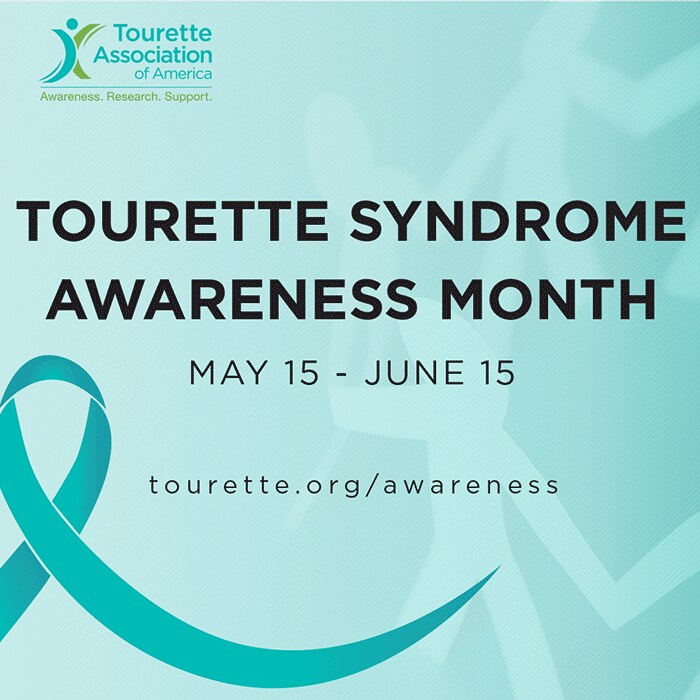
Tourette Syndrome: Help Stop Bullying

"Learn the facts about Tourette Syndrome and tics, and how we can help to stop bullying of children with TS.

Bullying doesn’t just happen to the smallest kid in the class. Children who bully others target those who seem to be less powerful or not as strong. Children who bully others also often target children who seem “different.” Children with TS are often seen as “different.”

What is Tourette Syndrome?

Tourette Awareness Month

TS is a condition of the nervous system that causes people to have tics. Tics are sudden twitches, movements, or sounds that people do repeatedly. People who have tics cannot stop their body from doing these things. Having tics is a little bit like having hiccups. Even though you might not want to hiccup, your body does it anyway. Sometimes people can stop themselves from doing a certain tic for a while, but it’s hard. Eventually the person has to do the tic.

Because of the tics, children with TS are sometimes seen as disruptive or rude. A small number of children with TS also have the urge to use swear words or say inappropriate things, even if they don’t want to. These tics can be upsetting to the children with TS and everyone around them.

Children who have tics are more likely to be bullied than children without tics. Some children with TS may also bully others, and those with more severe tics are at greater risk. Among children with tics, bullying has been associated with loneliness and anxiety.

But bullying doesn’t have to happen. Many people around children with TS can do something to help protect them from bullying. Not sure what to do? Here are some ways everyone can play a role to prevent bullying:

New Study

Bullying victimization and perpetration among US children with and without Tourette syndrome
[Read summaryexternal icon] [Watch video summaryexternal icon]

What friends can do

Friends and classmates who understand that tics are not on purpose and that children with TS are just like other children can help them feel accepted and can help stop bullying. But they need to know what to do when they witness bullying. Learn about how to be more than a bystanderexternal icon for any type of bullying, and watch a video Stand Up for Tourette Syndromeexternal icon about how peers can support children with TS.

What education professionals can do

Education professionals can learn about tic disorders so that they can respond supportively and help children reach their full potential. Read more about resources for education and trainingexternal icon on TS. Bullying can threaten students’ physical and emotional safety at school and can negatively impact their ability to learn. The best way to address bullying is to stop it before it starts. There are a number of things school staff can do to make schools safer and prevent bullying. Learn more about prevention at school hereexternal icon.

What families can do

Families can advocate for their children. TS is recognized as a disability in the Individuals with Disabilities Education Act (IDEA). Disability harassment is discrimination that violates section 504 and its regulations, and bullying is a type of harassment. Find more information about federal laws related to bullying on StopBullying.govexternal icon and help your protect your child..."
Tourette Syndrome 

Tuesday, June 1, 2021

Rocky Mountain Spotted Fever

"Prevention


Tick exposure can occur year-round, but ticks are most active during warmer months (April-September). Know which ticks are most common in your area.

Before You Go Outdoors

  • Know where to expect ticks. Ticks live in grassy, brushy, or wooded areas, or even on animals. Spending time outside walking your dog, camping, gardening, or hunting could bring you in close contact with ticks. Many people get ticks in their own yard or neighborhood.
  • Treat clothing and gear with products containing 0.5% permethrin. Permethrin can be used to treat boots, clothing and camping gear and remain protective through several washings. Alternatively, you can buy permethrin-treated clothing and gear.
  • Use Environmental Protection Agency (EPA)-registered insect repellentsexternal icon containing DEET, picaridin, IR3535, Oil of Lemon Eucalyptus (OLE), para-menthane-diol (PMD), or 2-undecanone. EPA’s helpful search toolexternal icon can help you find the product that best suits your needs. Always follow product instructions. Do not use products containing OLE or PMD on children under 3 years old.
  • Avoid Contact with Ticks
    • Avoid wooded and brushy areas with high grass and leaf litter.
    • Walk in the center of trails.

After You Come Indoors

Check your clothing for ticks. Ticks may be carried into the house on clothing. Any ticks that are found should be removed. Tumble dry clothes in a dryer on high heat for 10 minutes to kill ticks on dry clothing after you come indoors. If the clothes are damp, additional time may be needed. If the clothes require washing first, hot water is recommended. Cold and medium temperature water will not kill ticks.

Examine gear and pets. Ticks can ride into the home on clothing and pets, then attach to a person later, so carefully examine pets, coats, and daypacks.

Shower soon after being outdoors. Showering within two hours of coming indoors has been shown to reduce your risk of getting Lyme disease and may be effective in reducing the risk of other tickborne diseases. Showering may help wash off unattached ticks and it is a good opportunity to do a tick check.

Check your body for ticks after being outdoors. Conduct a full body check upon return from potentially tick-infested areas, including your own backyard. Use a hand-held or full-length mirror to view all parts of your body. Check these parts of your body and your child’s body for ticks:

  • Under the arms
  • In and around the ears
  • Inside belly button
  • Back of the knees
  • In and around the hair
  • Between the legs
  • Around the waist.."
    RMSF
     

Thursday, May 27, 2021

Best Practices on Preventing Heat Illness at Work

"With temperatures rising as we head into the summer months, so does the risk of heat hazards. In 2019, exposure to heat led to 43 work-related deaths and 2,410 injuries and illnesses, according to the U.S. Bureau of Labor Statistics. The Occupational Safety and Health Administration has resources to help employers and workers beat the heat and stay healthy and safe.

Here are some practices to remember as you prepare for the summer heat:

1. Train all workers.

Employers should train supervisors and workers on how to control and recognize heat hazards. Workers should also know about first aid for heat illness. Training should always be conducted in a language workers understand.

2. Follow the 20% rule.

On a worker’s first day, no more than 20 percent of the duration of their shift should be at full intensity in the heat. The duration of time at full intensity should be increased by no more than 20 percent a day until workers are used to working in the heat.

3. Remember these three words: “Water. Rest. Shade.”

Workers should drink one cup of water every 20 minutes while working in the heat to stay hydrated. When the temperature is high, employers should make sure workers take frequent rest breaks in shaded, cool or air-conditioned areas to recover from the heat.

4. Workers new to the job are at higher risk.

Workers who are new or returning to working in warm or hot environments need more time to adapt. More than 75 percent of heat-related fatalities occur during a worker’s first week, which is why “acclimatization” – the process of building resistance to increased temperatures – is so important. Learn how to protect new workers from heat-related illness and monitor them until they are acclimatized.

5. Hazardous heat exposure can happen indoors or outdoors.

Though heat stress is typically related to outdoor work environments, and construction workers account for about one-third of heat-related deaths, workers in hot indoor environments like kitchens, laundries, warehouses and electrical utilities are also at risk.

6. Engineering controls and modified work practices can reduce the risk of heat illness.

Consider reducing physical activity as much as possible by planning for the work ahead and rotating job functions among workers to help minimize exertion. Find more work practices here.

Learn more about OSHA’s campaign to prevent heat illness and find resources in English and Spanish on our website. Workers and employers who have questions or concerns about workplace safety can contact us online or by phone at 1-800-321-6742 (OSHA).."
Heat illness 

Wednesday, May 26, 2021

Save Lives Now

"Overdose Deaths Have Increased During COVID-19 

photo of a woman wearing a mask

The worsening of the drug overdose epidemic, along with the impact of COVID-19 prevention protocols, such as social distancing and quarantine, makes it more difficult for public health agencies and social services to treat those most at risk of overdose. Urgent actions for innovative strategies within the public health community are required to facilitate continued access to treatment.

Drug Overdose Deaths Increased During the COVID-19 Pandemic

Preliminary data indicates that the increases in drug overdose deaths appear to have accelerated during the COVID-19 pandemic.

By the Numbers

  • Preliminary data show that 81,230 overdose deaths occurred in the United States from June 2019 through May 2020, the highest number of overdose deaths ever recorded in a 12-month period.
  • Synthetic opioids (likely illicitly manufactured fentanyl) appear to be the primary driver of the increases in overdose deaths.
  • Overdose deaths involving cocaine increased by 26.5 percent. These deaths are likely linked to co-use of cocaine with illicitly manufactured fentanyl or heroin.
  • Overdose deaths involving psychostimulants, such as methamphetamine, increased by 34.8 percent.

Preventing overdoses and deaths is critical

Medical and public health professionals, first responders, harm reduction organizations, and other community partners each have a critical role to play in overdose prevention. As the overdose epidemic continues to evolve, expand, and accelerate, the following are critical to preventing overdoses and deaths from overdose:

  • Naloxone, which can reverse an opioid overdose, if administered in time
  • Early detection of overdose outbreaks in communities
  • Early interventions for people who are at highest risk for overdose
  • Expand prevention and response activities
Health Alert Network (HAN) Advisory

CDC issued a HAN advisory to alert public health departments, healthcare professionals, first responders, harm reduction organizations, laboratories, and medical examiners and coroners to:

  • Substantial increases in drug overdose deaths across the United States
  • A concerning acceleration of the increase in drug overdose deaths
  • Changing geographic distribution of overdose deaths involving synthetic opioids
  • Significant increases in overdose deaths involving psychostimulants, such as methamphetamine
  • Recommendations for communities when responding to the evolving overdose crisis.."
    Drug overdose
     

Summer Grilling Food Safety Tips for Grill Masters and Rookies

"Families will once again commemorate Memorial Day with COVID-19 in mind. Keep your celebrations safe with CDC guidelines we’ve become accustomed to this past year.

We also have some important food safety tips for both first-time and experienced grill masters.

Know if Your Frozen Food is Raw

Grillers have the responsibility of delivering a safe and tasty meal. The convenience of ready to cook beef patties and chicken cutlets helps the process.

One important tip: know if your frozen food is raw.

Although frozen products may appear to be pre-cooked or browned, they need to be handled and prepared as raw food and cooked thoroughly. Frozen products labeled as “Cook and Serve,” “Ready to Cook” and “Oven Ready” must be cooked. Always use a food thermometer to check if your meal has reached a safe internal temperature:

  • Beef, pork, lamb and veal (steaks, roasts and chops): 145 F with a three-minute rest time.
  • Ground meats (beef, pork, lamb and veal): 160 F.
  • Poultry (whole or ground): 165 F.

Use an appliance thermometer in your cooler to monitor that your pre-cooked food stays chilled at 40 F or below.

Thoroughly Cook Tenderized Meat

Experienced grillers love to get the most flavor out of their meat. However, mechanically tenderized meat, including cuts prepackaged in marinades, present different risks and must be cooked thoroughly.

If the outside is contaminated with bacteria, the inside meat will be as well once it is mechanically tenderized.

Ensure a safe barbecue by using a food thermometer! Don’t have a thermometer? Call us at the number below.

For more questions about food safety and for a free food thermometer, contact the USDA’s Meat and Poultry Hotline at 1-888-MPHotline (1-888-674-6854) to talk to a food safety expert or chat live at ask.usda.gov from 10 a.m. to 6 p.m. Eastern Time, Monday through Friday.."
Grilling