Showing posts with label CDC. Show all posts

Thursday, August 29, 2024

COVID-19 Testing

"Coming soon! Order your free COVID-19 Tests at the end of September.

U.S. households will be eligible to order 4 free COVID-19 tests at COVIDTests.gov. The COVID-19 Tests will detect current COVID-19 variants and can be used through the end of the year.


COVID-19 testing can help you know if you have COVID-19 so you can decide what to do next, like getting treatment to reduce your risk of severe illness and taking steps to lower your chances of spreading the virus to others.

Ordering free COVID tests via this website has currently closed. The COVIDtests.gov program distributed over 900 million tests directly to American households. The U.S. government continues to make COVID-19 tests available to uninsured individuals and underserved communities through existing outreach programs. Please contact a HRSA-funded health center or ICATT location near you to learn how to access low- or nocost COVID-19 tests provided by the federal government.

CDC recommends everyone ages 6 months and older receive an updated 2024-2025 COVID-19 vaccine to protect against the potentially serious outcomes of COVID-19 this fall and winter whether or not they have ever previously been vaccinated with a COVID-19 vaccine. Data continue to show the importance of vaccination to protect against severe outcomes of COVID-19 and flu, including hospitalization and death. To learn more about the current vaccines, visit the CDC's COVID-19 webpage..."
COVID-19 Testing 

Wednesday, June 19, 2024

Heat Risk Check

"Home

Hot days can affect anyone. If you are pregnant, are a child or teen with asthma, or have a heart condition or other chronic health conditions, heat can make your health worse.

Enter your zip code below to get the HeatRisk for this week and actions you can take to keep you and your family safe.

Get Your Local HeatRisk
"

Heat Risk 

Wednesday, May 8, 2024

Fentanyl Facts

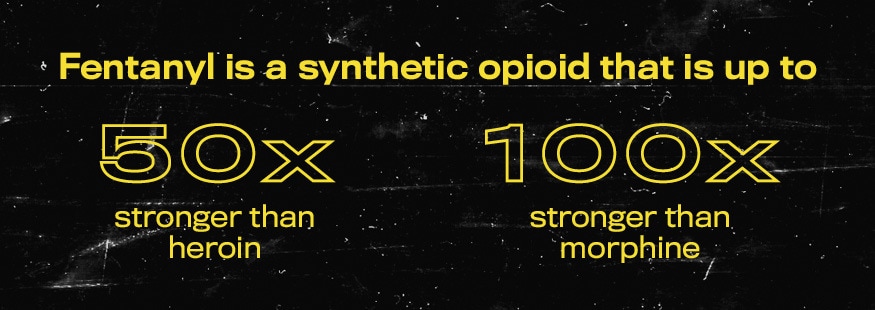
"Fentanyl is a synthetic opioid that is up to 50 times stronger than heroin and 100 times stronger than morphine. It is a major contributor to fatal and nonfatal overdoses in the U.S.1

There are two types of fentanyl: pharmaceutical fentanyl and illegally made fentanyl. Both are considered synthetic opioids. Pharmaceutical fentanyl is prescribed by doctors to treat severe pain, especially after surgery and for advanced-stage cancer.

Fentanyl is a synthetic opioid that is 50 times stronger than heroin 100 times stronger than morphine

However, most recent cases of fentanyl-related overdose are linked to illegally made fentanyl, which is distributed through illegal drug markets for its heroin-like effect. It is often added to other drugs because of its extreme potency, which makes drugs cheaper, more powerful, more addictive, and more dangerous.

Illegally made fentanyl

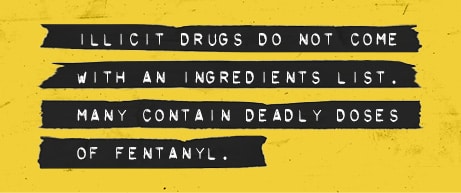
Illicit drugs do not come with an ingredient list. Many contain deadly doses of fentanyl

Illegally made fentanyl (IMF) is available on the drug market in different forms, including liquid and powder1.

Powdered fentanyl looks just like many other drugs. It is commonly mixed with drugs like heroin, cocaine, and methamphetamine and made into pills that are made to resemble other prescription opioids. Fentanyl-laced drugs are extremely dangerous, and many people may be unaware that their drugs are laced with fentanyl.

In its liquid form, IMF can be found in nasal sprays, eye drops, and dropped onto paper or small candies.

Fentanyl and Overdose

Fentanyl and other synthetic opioids are the most common drugs involved in overdose deaths.1 Even in small doses, it can be deadly. Over 150 people die every day from overdoses related to synthetic opioids like fentanyl.2

Drugs may contain deadly levels of fentanyl, and you wouldn’t be able to see it, taste it, or smell it. It is nearly impossible to tell if drugs have been laced with fentanyl unless you test your drugs with fentanyl test strips.

Test strips are inexpensive and typically give results within 5 minutes, which can be the difference between life or death. Even if the test is negative, take caution as test strips might not detect more potent fentanyl-like drugs, like carfentanil."."
Fentanyl
 

Saturday, March 16, 2024

Colorectal Cancer Awareness

"Colorectal cancer screening saves lives.

Regular screening, beginning at age 45, is the key to preventing colorectal cancer (cancer of the colon or rectum). If you’re 45 to 75 years old, get screened for colorectal cancer regularly. If you’re younger than 45 and think you may be at high risk of getting colorectal cancer, or if you’re older than 75, talk to your doctor about screening.

Colorectal polyps and colorectal cancer don’t always cause symptoms, especially at first. That is why getting screened regularly for colorectal cancer is so important.

Screening Test Options

Several screening tests can be used to find polyps or colorectal cancer, including some that you can do at home. Each test has advantages and disadvantages. Talk to your doctor about the pros and cons of each test, and how often to be tested

Colorectal Cancer 

Monday, March 4, 2024

CDC updates and simplifies respiratory virus recommendations

"CDC released today updated recommendations for how people can protect themselves and their communities from respiratory viruses, including COVID-19. The new guidance brings a unified approach to addressing risks from a range of common respiratory viral illnesses, such as COVID-19, flu, and RSV, which can cause significant health impacts and strain on hospitals and health care workers. CDC is making updates to the recommendations now because the U.S. is seeing far fewer hospitalizations and deaths associated with COVID-19 and because we have more tools than ever to combat flu, COVID, and RSV.

“Today’s announcement reflects the progress we have made in protecting against severe illness from COVID-19,” said CDC Director Dr. Mandy Cohen. “However, we still must use the commonsense solutions we know work to protect ourselves and others from serious illness from respiratory viruses—this includes vaccination, treatment, and staying home when we get sick.”

As part of the guidance, CDC provides active recommendations on core prevention steps and strategies:

  • Staying up to date with vaccination to protect people against serious illness, hospitalization, and death. This includes flu, COVID-19, and RSV if eligible.
  • Practicing good hygiene by covering coughs and sneezes, washing or sanitizing hands often, and cleaning frequently touched surfaces.
  • Taking steps for cleaner air, such as bringing in more fresh outside air, purifying indoor air, or gathering outdoors.

When people get sick with a respiratory virus, the updated guidance recommends that they stay home and away from others. For people with COVID-19 and influenza, treatment is available and can lessen symptoms and lower the risk of severe illness. The recommendations suggest returning to normal activities when, for at least 24 hours, symptoms are improving overall, and if a fever was present, it has been gone without use of a fever-reducing medication.

Once people resume normal activities, they are encouraged to take additional prevention strategies for the next 5 days to curb disease spread, such as taking more steps for cleaner air, enhancing hygiene practices, wearing a well-fitting mask, keeping a distance from others, and/or getting tested for respiratory viruses. Enhanced precautions are especially important to protect those most at risk for severe illness, including those over 65 and people with weakened immune systems. CDC’s updated guidance reflects how the circumstances around COVID-19 in particular have changed. While it remains a threat, today it is far less likely to cause severe illness because of widespread immunity and improved tools to prevent and treat the disease.  Importantly, states and countries that have already adjusted recommended isolation times have not seen increased hospitalizations or deaths related to COVID-19..."
CDC Respiratory Virus Recommendations 

Why Micronutrients Matter

"Micronutrients, often referred to as vitamins and minerals, are vital to healthy development, disease prevention, and well-being.
We only need small amounts of micronutrients, but getting the recommended amount is important. Micronutrient deficiencies can have devastating consequences. Here are six essential micronutrients and why they are important to our health.

Letter I Orange

Iron helps develop the brain of a fetus and child. Iron deficiency is a leading cause of anemia. Severe anemia during pregnancy can result in poor fetal growth, preterm birth, or low birth weight. Anemia during pregnancy also increases the risk of death for both the mother and baby. In addition, iron deficiency limits physical productivity and work capacity. See more.

Letter F Block

Folate is a general term for many different forms of vitamin B9, which is essential in the earliest days of fetal growth. Folic acid, the form of folate found in supplements and fortified foods, is the only form shown to prevent serious birth defects of the brain, spinal cord, and skull. These birth defects are often preventable if women get enough folic acid before and during early pregnancy. See more.

Letter A Block

Vitamin A supports healthy eyesight and immune system functions. Children who are deficient face an increased risk of blindness and death from infections such as measles and diarrhea. See more.

Letter-I-Purple

Iodine is also required during pregnancy and early infancy for brain and cognitive development. Iodine deficiency can lead to developmental delays and is the most common cause of preventable mental retardation. See more.

Letter Z Block

Zinc promotes immunity, resistance to infection, and proper growth and development of the nervous system. This mineral is also important for healthy pregnancies. See more.

Letter D Block

Vitamin D is essential for bone health as well as muscle and nerve functions. Vitamin D also helps the immune system fight off bacteria and viruses. See more..."
Micronutrients 

Wednesday, February 14, 2024

Strep Throat: All You Need to Know

"Worried your sore throat may be strep throat? Healthcare providers can do a quick test to see if a sore throat is strep throat. Antibiotics can help people with strep throat feel better faster and prevent spreading the bacteria to others.

Bacteria cause strep throat

Viruses cause most sore throats. However, strep throat is an infection in the throat and tonsils caused by bacteria called group A Streptococcus (group A strep).

How you get strep throat

Group A strep bacteria are very contagious. Generally, people spread the bacteria to others through

  • Respiratory droplets
  • Direct contact

Rarely, group A strep bacteria can be spread through food that isn’t handled properly (visit CDC’s food safety page).

It usually takes 2 to 5 days after exposure to become ill with strep throat.

Respiratory droplets

Group A strep bacteria often live in the nose and throat. People who are infected spread the bacteria by talking, coughing, or sneezing. This creates respiratory droplets that contain the bacteria.

People can get sick if they:

  • Breathe in respiratory droplets that contain the bacteria
  • Touch their mouth or nose after touching something with those droplets on it
  • Use the same plate, utensil, or glass as a person infected with the bacteria

Direct contact

People can also spread group A strep bacteria from infected sores on the skin. Other people can get sick if they touch those sores or come into contact with fluid from the sores.

People are contagious even with no symptoms

Some people infected with group A strep do not have symptoms or seem sick. People who are sick with strep throat are more contagious than those who do not have symptoms.

Symptoms often include pain and fever

In general, strep throat is a mild disease, but it can be very painful.

Common symptoms may include:

  • Fever
  • Pain when swallowing
  • Sore throat that started very quickly and may look red
  • Red and swollen tonsils
  • White patches or streaks of pus on the tonsils
  • Tiny, red spots on the roof of the mouth, called petechiae
  • Swollen lymph nodes in the front of the neck.."
    Strep Throat 

Thursday, February 8, 2024

Safer Food Choices for Adults 65 Years or Older

"Older adults have a higher risk of getting sick from food poisoning and having a more serious illness.

To prevent food poisoning, some foods are safer choices than others. That’s because some foods—such as undercooked meat and eggs, unwashed fruits and vegetables, and unpasteurized milk — are more often associated with foodborne illnesses. Use the table below as a guide to safer food choices.

Riskier vs. safer foods for adults aged 65 and older
FoodsRiskier ChoiceSafer Choice
Poultry and Meat
Meat and poultry
  • Raw or undercooked poultry or meat
    • Poultry includes chicken and turkey
    • Meat includes beef, pork, lamb, and veal
  • Unheated deli meat, cold cuts, hot dogs, and fermented or dry sausages
  • Refrigerated pâté or meat spreads
  • Poultry and meat cooked to a safe internal temperature. Use a food thermometer to check.
    • All poultry, including ground chicken and turkey, cooked to 165°F
    • Whole cuts of beef, veal, lamb, and pork cooked to 145°F (then allow the meat to rest for 3 minutes before carving or eating)
    • Ground meats, such as beef and pork, cooked to 160°F
  • Deli meat, cold cuts, hot dogs, and fermented or dry sausages heated to 165°F or until steaming hot
  • Pâté or meat spreads in sealed, airtight containers that don’t need to be kept refrigerated before opening


Deli salads
potato salad
Premade deli salads, such as:
  • coleslaw
  • potato salad
  • tuna salad
  • chicken salad
  • egg salad
  • Homemade deli salads
Vegetables and Fruits
Fruit and vegetables
  • Any raw or undercooked sprouts, such as alfalfa and bean
  • Unwashed fresh fruits and vegetables, including lettuce and other leafy greens
  • Cut melon left out for more than 2 hours (1 hour if it’s exposed to temperatures hotter than 90°F, such as a picnic or hot car)
  • Cooked sprouts
  • Washed vegetables and fruits (washed and then cooked are safest)
  • Freshly cut melon or cut melon kept refrigerated for 7 or fewer days
Juice
Juice
Unpasteurized juice or cider
  • Pasteurized juice or cider
  • Unpasteurized juice or cider brought to a rolling boil at least 1 minute before drinking
Milk
Milk
Unpasteurized (raw) milk, and dairy products made from unpasteurized milkPasteurized milk, and dairy products made from pasteurized milk
Cheese
Cheese
  • Soft cheese made from unpasteurized (raw) milk— for example, queso fresco, brie, camembert, and blue-veined cheese
  • Unheated cheese sliced at a deli
  • Hard cheese, such as cheddar and swiss
  • Cottage cheese, cream cheese, string cheese, and feta
  • Pasteurized soft cheeses heated to an internal temperature of 165°F or until steaming hot
  • Deli-sliced cheeses heated to 165°F or until steaming hot
Eggs
Eggs
Raw or undercooked (runny) eggs, and foods that contain raw or undercooked eggs, such as
  • Caesar salad dressing
  • Raw cookie dough
  • Eggnog
  • Eggs cooked until the yolks and whites are firm
  • Egg dishes (frittata, quiche, casserole) cooked to an internal temperature of 165°F if they contain meat or poultry
  • Egg dishes cooked to an internal temperature of 160°F if they do not contain meat or poultry
  • Pasteurized eggs in foods that will not be cooked to a safe temperature, such as mousse and salad dressing
Seafood
Seafood
  • Raw or undercooked fish or shellfish, including sashimi, sushi, and ceviche
  • Refrigerated smoked seafood (except in a cooked dish). Refrigerated smoked seafood is usually labeled as “nova-style,” “lox,” “kippered,” “smoked,” or “jerky”
  • Fish cooked to a safe internal temperature of 145°F or until the flesh is opaque and separates easily with a fork
  • Shellfish cooked until shells open during cooking or until flesh is pearly or white, and opaque
  • Smoked fish in sealed, airtight packages or containers that don’t need to be kept refrigerated before opening
  • Smoked fish cooked in a casserole or other cooked dishes
  • Canned fish and seafood.."

Safer Foods Seniors 

Wednesday, January 24, 2024

Food Poisoning Symptoms

"You can get sick with food poisoning after swallowing certain germs, like Salmonella or E. coli. Your symptoms may vary, depending on the germ you swallowed. Symptoms can range from mild to serious and can last for a few hours or several days.

The most common symptoms of food poisoning are:

  • Diarrhea
  • Stomach pain or cramps
  • Nausea
  • Vomiting
  • Fever

If you have diarrhea or vomiting, be sure to drink plenty of fluids to prevent dehydration (not having enough water in your body).

Should I See a Doctor for Food Poisoning?

See a doctor if you have any symptoms that are severe, including:

  • Bloody diarrhea
  • Diarrhea that lasts more than 3 days
  • High fever (temperature over 102°F)
  • Vomiting so often that you cannot keep liquids down
  • Signs of dehydration, which include not urinating (peeing) much, a dry mouth and throat, feeling dizzy when standing up

See your doctor if you are pregnant and have a fever and other flu-like symptoms. Some mild infections can cause problems with pregnancy..."
Food Poisoning 

Influneza

"What You Should Know About Flu Antiviral Drugs

 Can flu be treated?

Yes. There are prescription medications called “antiviral drugs” that can be used to treat flu illness. CDC recommends prompt antiviral treatment for people who have flu or suspected flu and who are at higher risk of serious flu complications, such as people with asthma, diabetes (including gestational diabetes), or heart disease.

What are flu antiviral drugs?

Flu antiviral drugs are prescription medicines (pills, liquid, an inhaled powder, or an intravenous solution) that fight against flu viruses in your respiratory tract.  Antiviral drugs are not sold over the counter. You can only get them if you have a prescription from a health care provider. Antiviral drugs are different from antibiotics, which fight against bacterial infections. Antiviral drugs for flu only work to treat flu. Flu antiviral drugs are different than antiviral drugs used to treat other infectious diseases such as COVID-19. Antiviral drugs prescribed to treat COVID-19 are not approved or authorized to treat flu illness.

What should I do if I think I am sick with flu illness?

If you get sick with flu illness, antiviral drugs are a treatment option. Check with your doctor promptly if you are at higher risk of serious flu complications (full list of higher risk factors) and you develop flu symptoms. Flu signs and symptoms can include feeling feverish or having a fever, cough, sore throat, runny or stuffy nose, body aches, headache, chills, and fatigue. Usually, flu signs and symptoms start abruptly all at once and not gradually. However, not everyone with the flu has a fever. Your doctor may prescribe antiviral drugs to treat your flu illness.

Should I still get a flu vaccine?

Yes. Antiviral drugs are not a substitute for getting a flu vaccine. While flu vaccine can vary in how well it works, a flu vaccine is best way to help prevent seasonal flu illness and its potentially serious complications. Everyone 6 months and older should receive a flu vaccine every year. Antiviral drugs are a second line of defense that can be used to treat flu illness (including seasonal flu and variant flu viruses) if you get sick..."
Influenza 

Thursday, January 18, 2024

RSV-NET

"Respiratory Syncytial Virus Hospitalization Surveillance Network (RSV-NET) collects data on laboratory-confirmed RSV-associated hospitalizations, including those resulting in ICU admission or death, among children and adults.

RSV-NET Interactive Dashboard
RSV-NET Overview & Methods.."

RSV