Showing posts with label carbon_monoxide. Show all posts

Thursday, November 2, 2023

Carbon Monoxide Detectors

"Daylight Saving Time ends Sunday, November 5. As you prepare to set your clocks back one hour, remember to check the batteries in your carbon monoxide (CO) detector. If you don’t have a battery-powered or battery back-up CO alarm, now is a great time to buy one. Each year, more than 400 Americans die from unintentional CO poisoning not linked to fires, more than 100,000 visit the emergency room, and more than 14,000 are hospitalized.

CO is found in fumes produced by furnaces, vehicles, generators, stoves, lanterns, gas ranges, or burning charcoal or wood. CO from these sources can build up in enclosed or partially enclosed spaces. People and animals in these spaces can be poisoned and can die from breathing CO.

When power outages occur during emergencies, such as ice storms or other severe weather, the use of alternative sources of power for heating or cooking can cause CO to build up in a home, garage, or camper and to poison the people and animals inside.
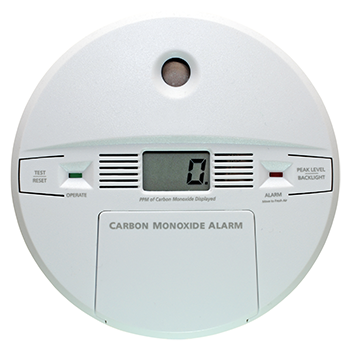
A Carbon monoxide detector

Install a battery-operated or battery back-up CO detector in your home today. If you already have a detector, check its batteries as you set your clocks back one hour.

You Can Prevent Carbon Monoxide Exposure

Do

  • Have your heating system, water heater and any other gas, oil, or coal burning appliances serviced by a qualified technician every year.
  • Install a battery-operated or battery back-up CO detector in your home and check or replace the battery when you change the time on your clocks each spring and fall.
  • Leave your home immediately and call 911 if your CO detector ever sounds. Seek prompt medical attention if you suspect CO poisoning and are feeling dizzy, light-headed, or nauseated..."
    Carbon Monoxide Detectors 

Sunday, January 23, 2022

You Can Prevent Carbon Monoxide Exposure

"You Can Prevent Carbon Monoxide Exposure

  • Do have your heating system, water heater and any other gas, oil, or coal burning appliances serviced by a qualified technician every year.
  • Do install a battery-operated or battery back-up CO detector in your home. Check or replace the battery when you change the time on your clocks each spring and fall. If the detector sounds leave your home immediately and call 911.
  • Do seek prompt medical help if you suspect CO poisoning and are feeling dizzy, light-headed, or nauseated.
  • Don’t use a generator, charcoal grill, camp stove, or other gasoline or charcoal-burning device inside your home, basement, or garage or near a window.
  • Don’t run a car or truck inside a garage attached to your house, even if you leave the door open.
  • Don’t burn anything in a stove or fireplace that isn’t vented.
  • Don’t heat your house with a gas oven.
  • Don’t use a generator, pressure washer, or any gasoline-powered engine less than 20 feet from any window, door, or vent. Use an extension cord that is more than 20 feet long to keep the generator at a safe distance..."
    Carbon Monoxide
     

Wednesday, March 6, 2019

Carbon Monoxide Poisoning Prevention

"Daylight Savings Time begins Sunday, March 10. As you prepare to set your clocks ahead one hour, remember to check the batteries in your carbon monoxide (CO) detector. If you don’t have a battery-powered or battery back-up CO alarm, now is a great time to buy one. More than 400 people die each year in the United States from unintentional, non-fire related CO poisoning.
CO is found in fumes produced by furnaces, vehicles, generators, stoves, lanterns, gas ranges, or burning charcoal or wood. CO from these sources can build up in enclosed or partially enclosed spaces. People and animals in these spaces can be poisoned and can die from breathing CO.
When power outages occur during emergencies such as hurricanes or severe storms, the use of alternative sources of power for heating, cooling, or cooking can cause CO to build up in a home, garage, or camper and to poison the people and animals inside.
Carbon monoxide alarm
Spring ahead by installing a battery-operated or battery back-up CO detector in your home or by checking the batteries, if you already have one, as you set your clocks ahead one hour.

You Can Prevent Carbon Monoxide Exposure

Do
  • Have your heating system, water heater and any other gas, oil, or coal burning appliances serviced by a qualified technician every year.
  • Install a battery-operated or battery back-up CO detector in your home and check or replace the battery when you change the time on your clocks each spring and fall.
  • Leave your home immediately and call 911 if your CO detector ever sounds. Seek prompt medical attention if you suspect CO poisoning and are feeling dizzy, light-headed, or nauseated.
Don’t
  • Run a car or truck inside a garage attached to your house, even if you leave the door open.
  • Burn anything in a stove or fireplace that isn’t vented.
  • Heat your house with a gas oven.
  • Use a generator, charcoal grill, camp stove, or other gasoline or charcoal-burning device inside your home, basement, or garage or outside less than 20 feet from a window, door, or vent..."
    Carbon monoxide

Monday, October 29, 2018

Carbon Monoxide Poisoning Prevention

"Daylight Savings Time ends Sunday, November 4. As you prepare to set your clocks back one hour, remember to check the batteries in your carbon monoxide (CO) detector. If you don’t have a battery-powered or battery back-up CO alarm, now is a great time to buy one. More than 400 people die each year in the United States from unintentional, non-fire related CO poisoning.
CO is found in fumes produced by furnaces, vehicles, generators, stoves, lanterns, gas ranges, or burning charcoal or wood. CO from these sources can build up in enclosed or partially enclosed spaces. People and animals in these spaces can be poisoned and can die from breathing CO.
When power outages occur during emergencies such as hurricanes or severe storms, the use of alternative sources of power for heating, cooling, or cooking can cause CO to build up in a home, garage, or camper and to poison the people and animals inside.

You Can Prevent Carbon Monoxide Exposure

Do

  • Have your heating system, water heater and any other gas, oil, or coal burning appliances serviced by a qualified technician every year.
  • Install a battery-operated or battery back-up CO detector in your home and check or replace the battery when you change the time on your clocks each spring and fall.
  • Leave your home immediately and call 911 if your CO detector ever sounds. Seek prompt medical attention if you suspect CO poisoning and are feeling dizzy, light-headed, or nauseated.."
    Carbon monoxide

Monday, July 16, 2018

Carbon Monoxide (CO) Poisoning Prevention

"CO poisoning is entirely preventable. Protect yourself and your family by acting wisely in case of a power outage and learning the symptoms of CO poisoning.
When power outages occur after severe weather, using alternative sources of power can cause carbon monoxide (CO) to build up in a home and poison the people and animals inside.
Every year, at least 430 people die in the U. S. from accidental CO poisoning. Approximately 50,000 people in the U.S. visit the emergency department each year due to accidental CO poisoning. There are steps you can take to help protect yourself and your household from CO poisoning.
CO is found in fumes produced by portable generators, stoves, lanterns, and gas ranges, or by burning charcoal and wood. CO from these sources can build up in enclosed or partially enclosed spaces. People and animals in these spaces can be poisoned and can die from breathing CO..."

Carbon Monoxide

Tuesday, January 30, 2018

Carbon Monoxide (CO) Poisoning Prevention

"When power outages occur after severe weather, using alternative sources of power can cause carbon monoxide (CO) to build up in a home and poison the people and animals inside.
Every year, at least 430 people die in the U. S. from accidental CO poisoning. Approximately 50,000 people in the U.S. visit the emergency department each year due to accidental CO poisoning. There are steps you can take to help protect yourself and your household from CO poisoning.
CO is found in fumes produced by portable generators, stoves, lanterns, and gas ranges, or by burning charcoal and wood. CO from these sources can build up in enclosed or partially enclosed spaces. People and animals in these spaces can be poisoned and can die from breathing CO..."

Carbon Monoxide

Friday, January 12, 2018

Portable Generators: 3 Critical Precautions to Take So You Don’t Die from Carbon Monoxide Poisoning

"Carbon monoxide (CO) poisoning deaths, caused by portable generators reportedly being used inside homes and/or garages, have been reported in Florida in recent days. In the aftermath of Hurricane Irma, there are widespread power outages. CPSC is warning consumers to take three critical precautions to prevent loss of life from poisonous carbon monoxide when using a portable generator:
1. NEVER use a portable generator inside your home. One portable generator can emit the same amount of deadly carbon monoxide gas as hundreds of mid-size cars. Just as you would not leave a car running in a closed garage, do not run a generator inside a garage, home, shed or near open windows or vents.
2. Portable generators need air and distance. Place generators OUTDOORS ONLY, at least 20 feet away from your home.
3. Carbon monoxide is called the “invisible killer.” This deadly gas is colorless and odorless and can quickly incapacitate and kill you and your family in minutes. A working CO alarm can detect high levels of the gas in your home. If it goes off, do not ignore it. Get out! Then call 911..."

Portable generators

Wednesday, July 26, 2017

Carbon Monoxide (CO) Poisioning

"When power outages occur after severe weather (such as severe storms, hurricanes or tornadoes), using alternative sources of power can cause carbon monoxide (CO) to build up in a home and poison the people and animals inside.
Every year, at least 430 people die in the U. S. from accidental CO poisoning. Approximately 50,000 people in the U.S. visit the emergency department each year due to accidental CO poisoning. There are steps you can take to help protect yourself and your household from CO poisoning. Change the batteries in your CO detector every six months. If you don’t have a battery-powered or battery back-up CO detector, buy one soon.
CO is found in fumes produced by portable generators, stoves, lanterns, and gas ranges, or by burning charcoal and wood. CO from these sources can build up in enclosed or partially enclosed spaces. People and animals in these spaces can be poisoned and can die from breathing CO.
CO poisoning is entirely preventable. Protect yourself and your family by acting wisely in case of a power outage and learning the symptoms of CO poisoning..."
Carbon Monoxide

Sunday, February 5, 2017

Put the Freeze on CO Poisoning this Winter


" Old man winter is gripping much of the nation and that means many consumers are turning up the heat in their homes. Some are using drastic measures to stay warm, increasing the risk of carbon monoxide (CO) poisoning—an invisible, odorless, colorless killer. Did you know that winter is peak season for CO deaths in the United States? The deadly gas kills more than 400 people every year, according to the Centers for Disease Control and Prevention...."
Carbon Monoxide poisoning

Wednesday, January 25, 2012

CO Deaths Continue to Rise

"Just in time for the cold weather, we have new information on carbon monoxide (CO) deaths associated with the use of consumer products.

In 2008 — the latest year for which we have complete data — there were about 190 unintentional non-fire CO-poisoning deaths associated with consumer products under our jurisdiction. The product associated with most of these deaths? Portable generators.

As more people use portable generators, the numbers of CO-related deaths have increased. In 1999 there were seven generator-related CO deaths. In 2008 the number of deaths reached 86. That’s an increase of more than 1,000 percent.

Carbon monoxide is an invisible killer that strikes within minutes. You can protect yourself with a few simple safety rules:

Install working CO alarms in your home. Make sure the alarm is battery-operated or has a battery-backup so it works during a power outage.
Keep all generators outside of your home, away from doors and windows.
Never use a generator in a garage, basement, crawl space, shed or on a porch..."

Friday, October 21, 2011

Carbon Monoxide: the Invisible Killer

"Carbon monoxide, also known as CO, is called the "Invisible Killer" because it's a colorless, odorless, poisonous gas.

More than 150 people in the Unites States die every year from accidental non-fire related CO poisoning associated with consumer products. These products include faulty, improperly-used or incorrectly-vented fuel-burning appliances such as furnaces, stoves, water heaters and fireplaces.

Never use portable generators inside your home, garage, basement or shed. CO from a generator can kill your family in minutes. Only use them outside and far away from windows, doors and vents.

Keep charcoal grills outside where they belong. Never use a charcoal grill in the house or garage. They can produce lethal levels of carbon monoxide..."

Tuesday, August 16, 2011

EPA Affirms National Air Quality Standards for Carbon Monoxide Are Protective of Public Health
"After a careful review of the science, the U.S. Environmental Protection Agency (EPA) is affirming the current national air quality standards for carbon monoxide (CO). The science shows that the current standards protect public health, including those who are most susceptible, and the environment. Since 1980, levels of CO in the air have fallen by 80 percent, mostly as a result of motor vehicle emissions controls.

CO is a colorless, odorless gas emitted from combustion processes. Nationally, and particularly in urban areas, the majority of CO emissions come from motor vehicles. CO can cause harmful health effects by reducing oxygen delivery to the body’s organs (like the heart and brain) and tissues.

To ensure people are protected from unhealthy concentrations of CO and to develop better information about CO and its health impacts, EPA is revising the air monitoring requirements. The changes will require a more focused monitoring network with CO monitors placed near roads in 52 urban areas with populations of 1 million or more..."