"Bugs, including mosquitoes, ticks, fleas, and flies, can spread diseases such as malaria, yellow fever, Zika, dengue, chikungunya, and Lyme. While some cases are mild, these diseases can be severe and have lasting consequences. Some diseases caused by bug bites can be prevented with vaccines or medication, like yellow fever and malaria; however, many cannot, such as Zika and Lyme. On your trip. avoid bug bites to prevent getting sick.
Check Your Destination
Your destination and activities may determine what steps you need to take to protect yourself from bug bites. Check CDC Destinations pages to see what vaccines or medicines you may need and what diseases or health risks are a concern at your destination.
Your Activities Can Increase Your Risk for Bug Bites
Some activities put you more at risk for bug bites than others. Activities that can increase your chances of getting bug bites include hiking, camping, working with animals, and visiting farms and forested areas.
Common Bugs and Diseases They Spread
Take Steps to Prevent Bug Bites During Your Trip
Use insect repellent
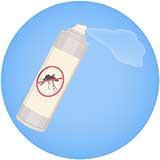
- Use Environmental Protection Agency (EPA)-registered insect repellents with one of the active ingredients below. When used as directed, EPA-registered insect repellents are proven safe and effective, even for pregnant and breastfeeding women.
- DEET
- Picaridin (known as KBR 3023 and icaridin outside the US)
- IR3535
- Oil of lemon eucalyptus (OLE)
- Para-menthane-diol (PMD)
- 2-undecanone
Find the right insect repellent for you by using EPA's search tool.
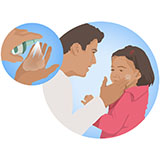
- If you are also using sunscreen, apply sunscreen first, and insect repellent second.
- Do not spray repellent on the skin under clothing.
- Insect repellent tips for babies and children
- Dress your child in clothing that covers arms and legs.
- Cover strollers and baby carriers with mosquito netting.
- When using insect repellent on your child:
- Always follow label instructions.
- Do not use products containing oil of lemon eucalyptus (OLE) or para-menthane-diol (PMD) on children under 3 years old.
- Do not apply insect repellent to a child’s hands, eyes, mouth, cuts, or irritated skin.
- Adults: Spray insect repellent onto your hands and then apply to a child’s face.
Wear long-sleeved shirts and long pants
Treat clothing and gear with permethrin
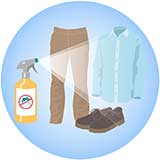
- Use 0.5% permethrin to treat clothing and gear (such as boots, pants, socks, and tents) or buy permethrin-treated clothing and gear.
- Permethrin is an insecticide that kills or repels mosquitoes.
- Permethrin-treated clothing provides protection after multiple washings..
- Read product information to find out how long the protection will last.
- If treating items yourself, follow the product instructions.
- Do not use permethrin products directly on skin.
- Watch the video What You Need to Know About Permethrin.
Keep mosquitoes out of your hotel room or lodging
- Choose a hotel or lodging with air conditioning or window and door screens.
- Use a mosquito net if you are unable to stay in a place with air conditioning or window and door screens or if you are sleeping outside.
Sleep under a mosquito net
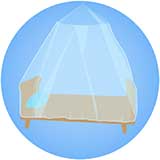
- Sleep under a mosquito net if you are outside or when screened rooms are not available. Mosquitoes can live indoors and bite during the day and night.
- Buy a mosquito net at your local outdoor store or online before traveling overseas.
- Choose a mosquito net that is compact, white, rectangular, with 156 holes per square inch, and long enough to tuck under the mattress.
- Permethrin-treated mosquito nets provide more protection than untreated nets.
- Permethrin is an insecticide that kills mosquitoes and other insects.
- To determine if you can wash a treated mosquito net, follow the label instructions.
If you are bitten by mosquitoes, avoid scratching the bites and apply over-the-counter anti-itch or antihistamine cream to relieve itching. See Mosquito Bite Symptoms and Treatment.
Additional steps you can take to prevent or quickly find tick bites
Prevent Tick Bites
- Know where to expect ticks. Ticks live in grassy, brushy, or wooded areas, or even on animals. Spending time outside walking your dog, camping, gardening, or hunting could bring you in close contact with ticks. Many people get ticks in their own yard or neighborhood.
- Treat clothing and gear with products containing 0.5% permethrin. Permethrin can be used to treat boots, clothing and camping gear and remain protective through several washings. Alternatively, you can buy permethrin-treated clothing and gear.
- Use Environmental Protection Agency (EPA)-registered insect repellents containing DEET, picaridin, IR3535, Oil of Lemon Eucalyptus (OLE), para-menthane-diol (PMD), or 2-undecanone. EPA’s helpful search tool can help you find the product that best suits your needs. Always follow product instructions. Do not use products containing OLE or PMD on children under 3 years old.
- Avoid Contact with Ticks
- Avoid wooded and brushy areas with high grass and leaf litter.
- Walk in the center of trails.
Find and Remove Ticks
- Check your clothing for ticks. Ticks may be carried into the house on clothing. Any ticks that are found should be removed. Tumble dry clothes in a dryer on high heat for 10 minutes to kill ticks on dry clothing after you come indoors. If the clothes are damp, additional time may be needed. If the clothes require washing first, hot water is recommended. Cold and medium temperature water will not kill ticks.
- Examine gear and pets. Ticks can ride into the home on clothing and pets, then attach to a person later, so carefully examine pets, coats, and daypacks.
- Shower soon after being outdoors. Showering within two hours of coming indoors has been shown to reduce your risk of getting tickborne diseases. Showering may help wash off unattached ticks and it is a good opportunity to do a tick check.

If you traveled and feel sick, particularly if you have a fever, talk to a healthcare provider and tell them about your travel. Avoid contact with other people while you are sick.
If you need medical care abroad, see Getting Health Care Abroad..."
Bug bites


