Showing posts with label Naloxone. Show all posts

Monday, November 7, 2022

5 Things to Know About Naloxone

"1. Naloxone saves lives.

Naloxone, for example Narcan®, is a medicine that can help people who are overdosing on an opioid. Opioids include prescription medications, heroin, and fentanyl. Sometimes other drugs, including cocaine and methamphetamine, are mixed, or laced with fentanyl.

Naloxone temporarily reverses the effects of an overdose from opioids, including:


  • Heroin
  • Morphine
  • Oxycodone (OxyContin®)
  • Methadone
  • Fentanyl
  • Hydrocodone (Vicodin®)
  • Codeine
  • Hydromorphone
  • Buprenorphine

    2. There are two ways to give naloxone.

    Naloxone can be administered by bystanders and is available as a(n):
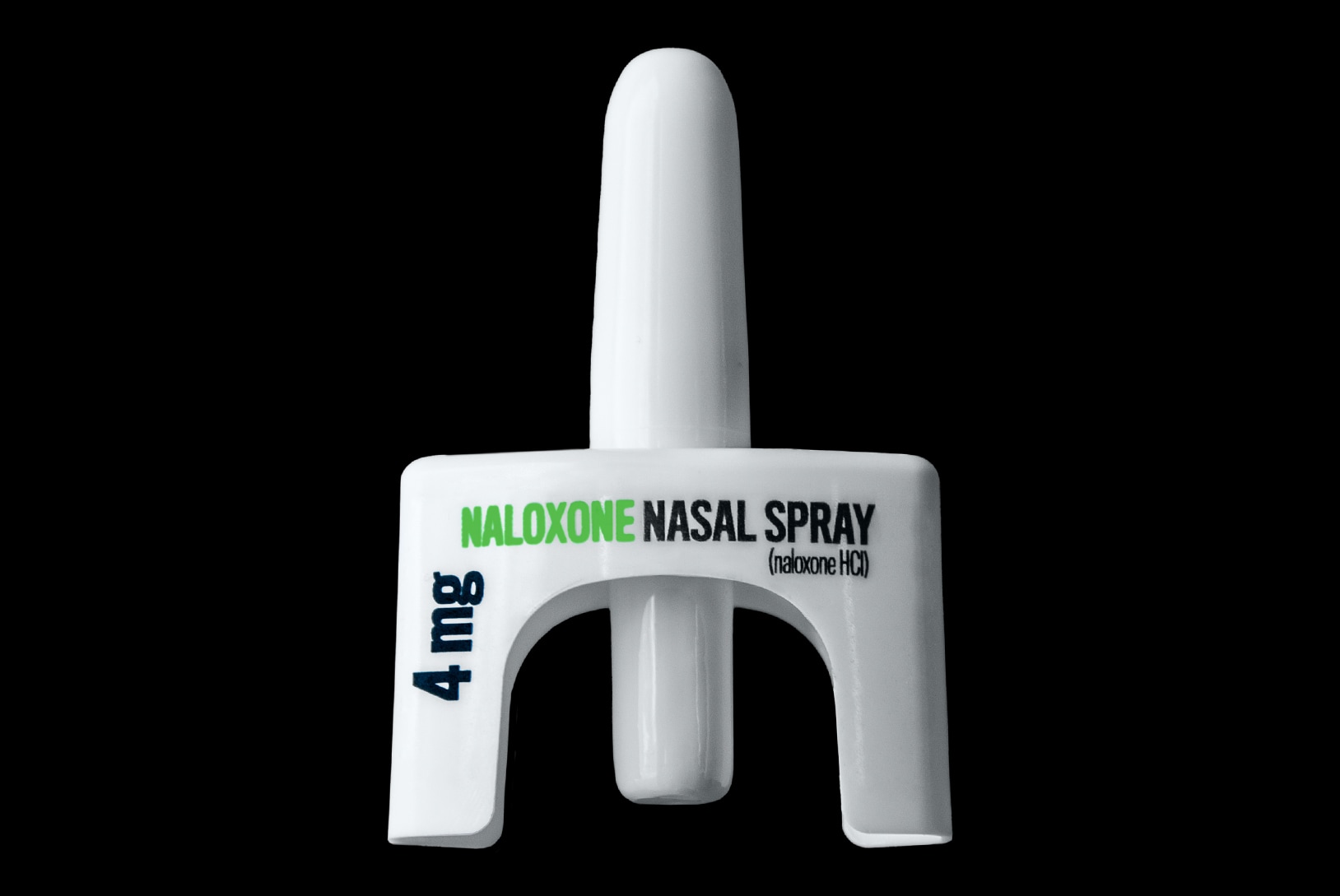
    nasal spray

    Nasal Spray
    Prefilled devices that spray medication into the nose.
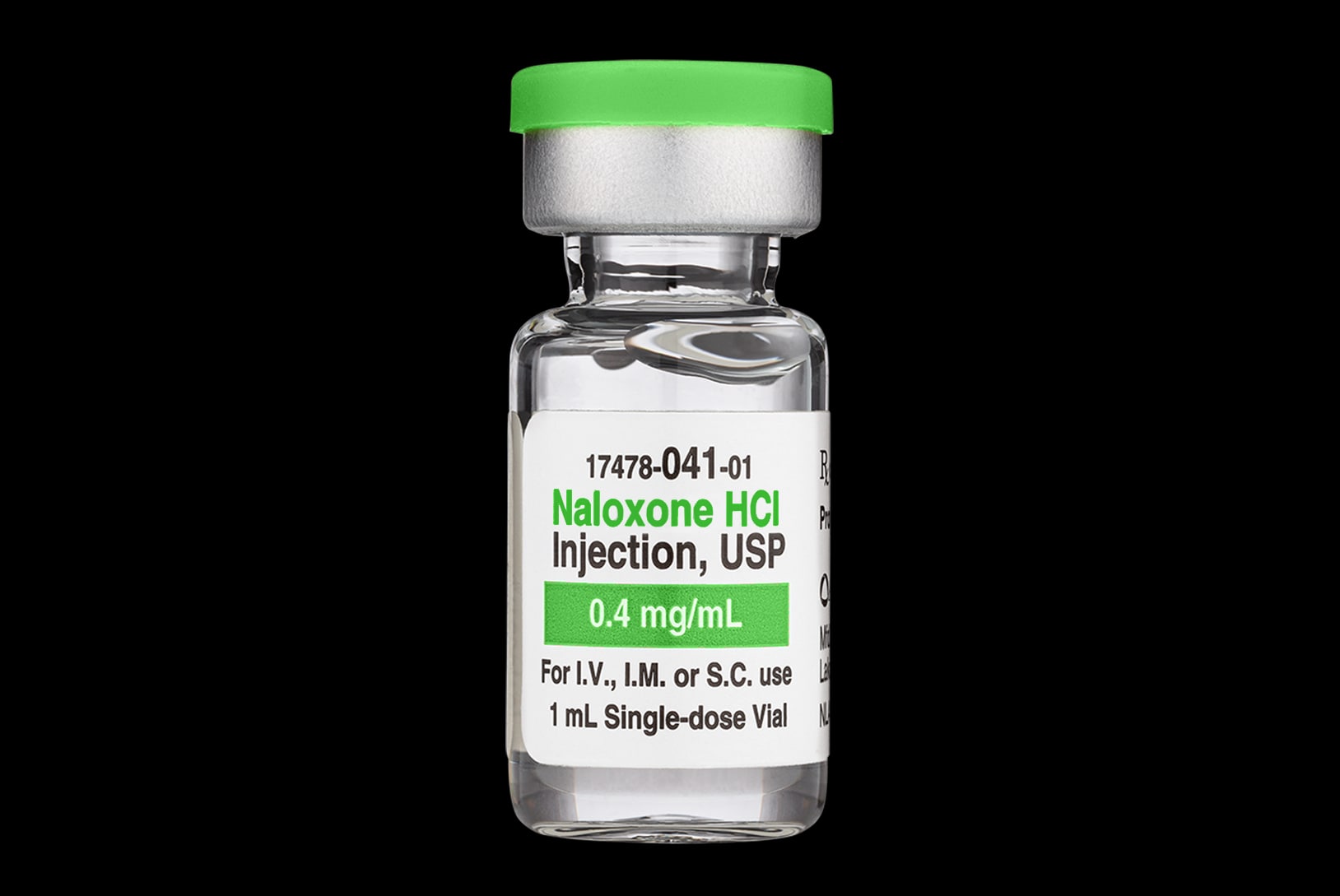

    naloxone injector

    Injectable
    Medication (solution) given by injection into a muscle or under the skin.

    For more information on the different forms of naloxone and how to use them please visit the Lifesaving Naloxone.

    3. Naloxone is safe. Naloxone will not harm someone if you give it to them and they are not overdosing on an opioid.

    Naloxone can be given safely to people of all ages, from infants to older adults. This includes an adolescent or young adult who may have unintentionally taken an opioid.

    During an overdose, a person’s breathing can be dangerously slowed or stopped, causing brain damage or death. It’s important to recognize the signs and act fast, even before emergency workers arrive..."
    Naloxone
     

Thursday, January 20, 2022

Now Is the Time to Stop Drug Overdose Deaths

"In the United States, drug overdoses have claimed over 932,000 lives over the past 21 years, and the drug overdose crisis continues to worsen. In 2020, the rate of drug overdose deaths accelerated and increased 31% from the year before. Synthetic opioids, such as illicitly manufactured fentanyl, continue to contribute to the majority of opioid-involved overdose deaths.

To save lives from drug overdose, the Centers for Disease Control and Prevention (CDC) launched four education campaigns to reach young adults (ages 18-34) who use drugs. The campaigns provide information that can save the lives of people who use drugs or are struggling with substance use disorders and highlight actions the public can take to help prevent overdose.

Specifically, the campaigns provide critical information about these topics:

More about CDC’s education campaigns to stop drug overdoses:

The Dangers of Fentanyl

Fentanyl’s increased presence in the drug supply is a key contributor to the increase in overdose deaths. Fentanyl can be up to 50 times stronger than heroin and up to 100 times stronger than morphine, so even small amounts of fentanyl can cause an overdose.

Many illegal drugs, including counterfeit prescription opioid pills, heroin, cocaine, methamphetamine, and ecstasy, can be mixed or laced with fentanyl with or without a person’s knowledge, as they would not be able to see, taste, or smell the fentanyl.

CDC’s campaign on fentanyl provides information about:

  • Illicitly manufactured fentanyl
  • Dangers of fentanyl
  • Fentanyl’s roles in overdoses in the United States

To learn more about CDC’s campaign on fentanyl, visit Fentanyl Facts.

Risks of Polysubstance Use

People who use drugs may use multiple substances together or within a short time period. The use of more than one drug, also known as polysubstance use, is common and can be intentional or unintentional. Whether intentional or not, mixing drugs is never safe because the effects from combining drugs may be stronger and more unpredictable than those of one drug alone and can even be deadly.

For example, mixing stimulants—like ecstasy and cocaine—increases the risk of stroke and heart attack, while mixing opioids with other depressants—like benzodiazepines (“benzos”) and/or alcohol—can slow breathing, which could lead to severe brain damage or death

CDC’s campaign on polysubstance use provides information about:

  • The dangers of polysubstance use
  • What to do if you think someone is overdosing

To learn more about CDC’s campaign on polysubstance use, visit Polysubstance Use Facts.

Reversing Opioid Overdoses with Naloxone

Naloxone is a nonaddictive medicine that can reverse an opioid overdose if administered in time. Carrying naloxone and using it on someone who is overdosing on opioids could immediately help save a life. One study found that in most cases of overdose deaths, a bystander was nearby who could have helped prevent the death.

In most states, Good Samaritan lawsexternal icon to protect those who are overdosing and anyone assisting them in an emergency from arrest and criminal prosecution on drug-related charges. Naloxone is available in all 50 states; Puerto Rico; and Washington, DC, and often without a prescription.

CDC’s campaign on naloxone provides information about:

  • The lifesaving benefits of naloxone
  • How to use naloxone
  • Who should carry naloxone
  • Naloxone availability in the United States.."
    Overdose deaths